Healthcare
Hospital infection control rounds: what to record, and how to prove it
ZealMint · · 6 min read
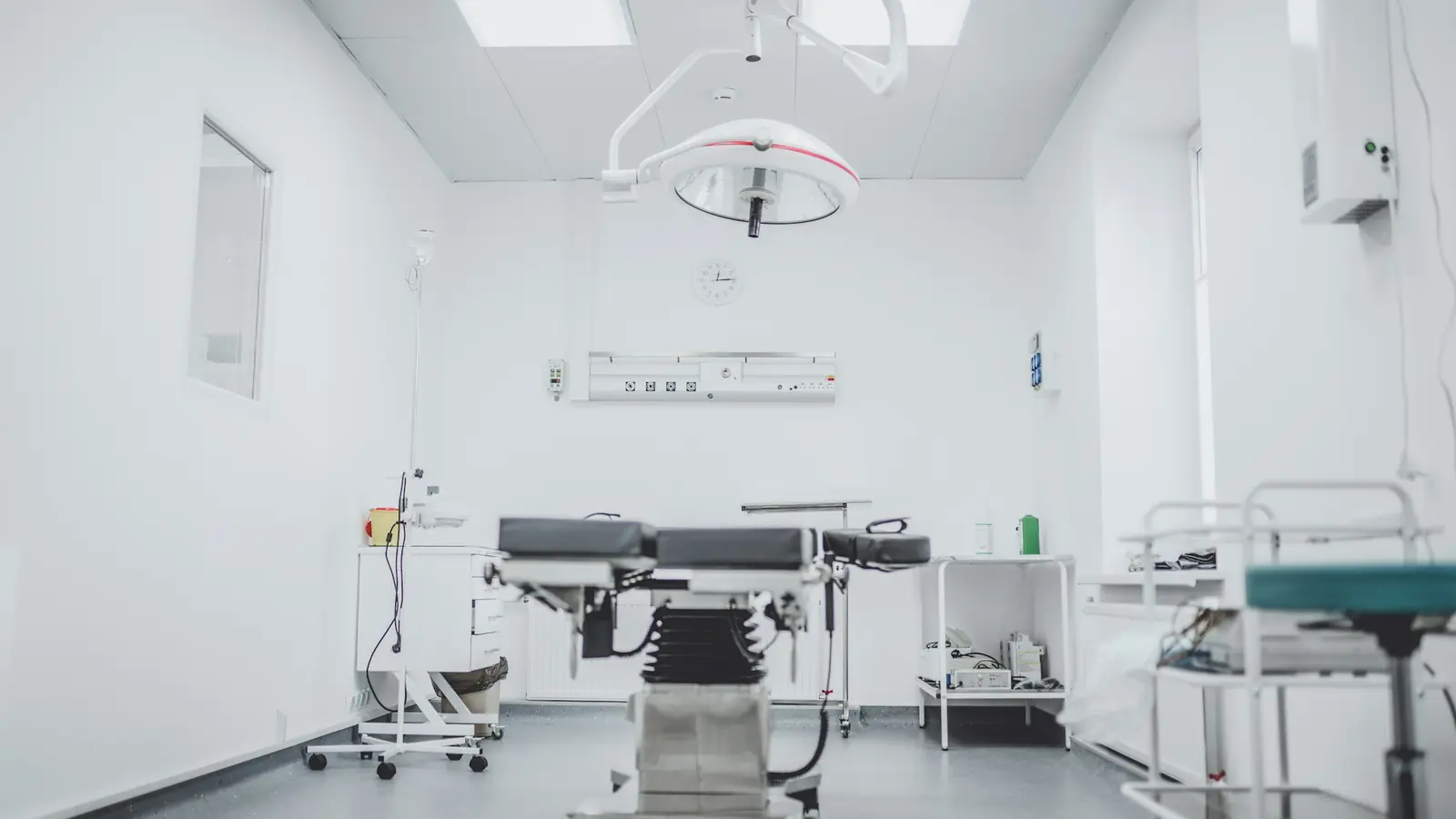
Infection control rounds fail on evidence, not effort: the register is signed, but nobody can show the OT pressure was right or the sterilisation cycle passed. Record each round with the reading taken from a photo of the gauge, scale or printout, checked against your limit on the spot, so the quality team and the assessor see the evidence, not just the signature.
Which infection control rounds need evidence?
- OT readiness: temperature, humidity and pressure before the first case.
- Biomedical waste: segregation by colour, lids on, nothing overfilled, and the weight that went out, along the Bio-Medical Waste Management Rules, 2016.
- Terminal cleaning: each room after discharge: linen, waste, surfaces, mattress.
- CSSD sterilisation: each cycle's printout, indicators and pack labels.
- Crash carts: the seal, defibrillator self-test, oxygen and expiries.
- Medicine and vaccine fridges: current, minimum and maximum temperatures.
Why do signed rounds fall short?
Because the signature is the same whether the gauge was read or not. A register that says the OT was ready can't show the pressure differential; a waste log that says "about 40 kg" can't show the scale. When something goes wrong, or an assessor asks, the quality team has paper that proves only that paper was filled in.
How do you make each round evidence?
- Photograph the source: the gauge, the scale display and bag label, the cycle printout, the fridge display.
- Read the number from the photo, and compare it with what staff typed.
- Check it against your limit at once. A failing OT reading is flagged before the first case, not discovered in a monthly review.
- Photograph the room after terminal cleaning, checked for fresh linen and nothing left behind.
- Schedule by unit and time, so missed rounds show up by ward and day.
What should the AI not do?
Some things still need people. Hand hygiene audits, such as the WHO 5 Moments, are counted by a trained auditor watching practice; a photo of the dispenser shows it's stocked, not that hands were washed. Waste is weighed by the scale, not counted bag by bag from a photo. And no software certifies a hospital: accreditation comes from the accrediting body.
How do you protect patient privacy?
Rounds are about rooms and equipment. Each photo question in a patient area should ask staff to keep patients and records out of frame, and the software should be able to flag a face or personal detail for review if one slips in.
How ZealMint does it
ZealMint Operations AI ships sixteen hospital checklists, including OT readiness, biomedical waste, terminal cleaning, CSSD, crash cart and fridge checks. AI reads the gauges, scales, labels and printouts from photos and flags readings outside your limits. It keeps the evidence an NABH assessor asks for; it doesn't certify or accredit. See infection control audits and healthcare.
Questions
Can AI read OT temperature, humidity and pressure gauges?
Yes, from a clear photo of each display. The reading is filled in, compared with what staff typed, and flagged if it's outside your limit.
Can AI check hand hygiene compliance?
Not by watching. Hand hygiene audits are counted by a trained auditor; a photo can confirm a dispenser is stocked.
Does software help with NABH accreditation?
It can keep the infection control evidence an assessor asks for, every day. It doesn't certify or accredit: that's the accrediting body.